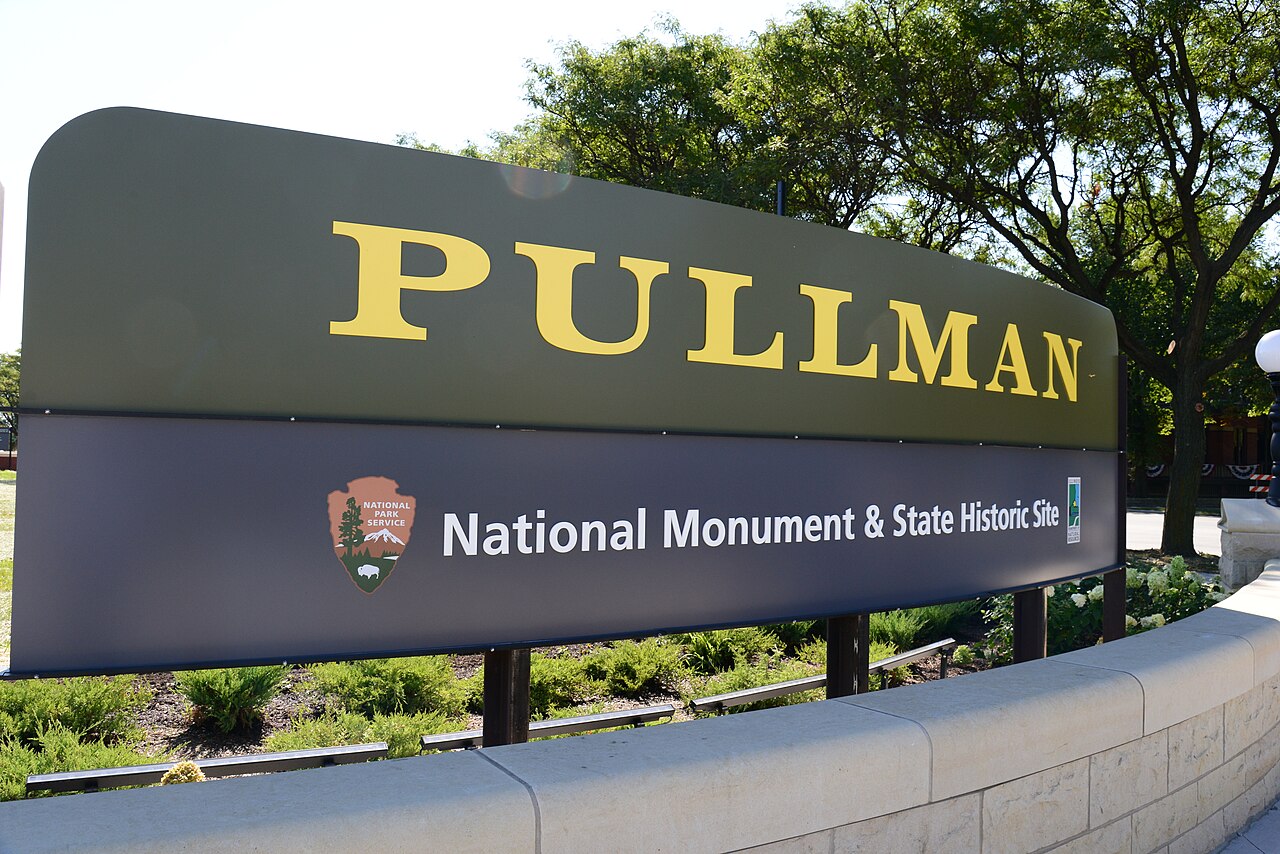
Pullman National Historical Park
Chicago's Planned Railroad Town
⏱ 2 to 3 hours👤 All agesFree
Get Tickets
Get Pullman National Park Tickets
Skip the line · mobile tickets accepted at the door
The Pullman story matters because the town was both an experiment in planned industrial living and the stage for the 1894 Pullman Strike, a landmark in American labour history. The neighbourhood still contains the Clock Tower and administration building, rows of historic worker housing and other landmarks, and the district has been revitalised in recent years as a park.
A good visit starts at the visitor center on Cottage Grove Avenue, where a film, exhibits and a gift shop introduce the site. The visitor center is listed as open Tuesday through Sunday from 11 AM to 3 PM, or by appointment, with a suggested visit of two to three hours. Hours change, so confirm before you go, and note that the A. Philip Randolph Pullman Porter Museum is nearby for the porters' story.
Getting there requires planning. Public transport is possible, but many visitors drive or take a rideshare, and the area is quieter than downtown. Wear comfortable shoes and weather-appropriate clothing, since much of the visit is outdoors. It pairs well with the Obama Presidential Center in Jackson Park on a South Side day, and the tour is free of charge.
To prepare, learn a little about the story before you go. The Pullman Company manufactured railroad sleeping cars and employed thousands, and its porters, many of them African American men, became an important part of the labour and civil rights story, culminating in the organising of the Brotherhood of Sleeping Car Porters. The park's interpretation covers these themes alongside the architecture, so it is richer if you arrive curious. A visit also helps you understand how Chicago's industry shaped its neighbourhoods, from the stockyards to the steel mills. Wear comfortable shoes for walking, since the tour covers several blocks, and bring water. Because the district is residential and relatively quiet, treat it respectfully and stay on public streets. If you have time, combine the visit with the nearby A. Philip Randolph Pullman Porter Museum and the Historic Pullman Foundation's exhibits, and check the National Park Service website for any updates to tours and opening arrangements before you travel.
What to Expect
Format
A free national park with a visitor center, a film, exhibits and daily ranger-led tours of the historic company town.
Best Time
Daytime hours; tours leave at 1:00 PM but can be cancelled for weather or staffing.
Duration
Two to three hours is suggested.
Tips
Confirm hours before you go, wear comfortable shoes, and plan transport to the far South Side.
⚡ Quick Picks
Best For
History, labour and architecture enthusiasts looking beyond downtown.
Families
Older children with an interest in trains or history can enjoy it.
Couples
A quiet, thoughtful half-day for couples.
Pair With
Combine with the Obama Presidential Center on a South Side day.
Time Needed
About half a day including travel.
Ready to book Pullman National Park?
Get Tickets →Frequently Asked Questions
Is Pullman National Historical Park free?
Yes, the park and its tours are free, though check for any special events.
When do tours leave?
Daily from the visitor center at 1:00 PM, subject to cancellation for staffing, events or weather.
How far is it from downtown?
About a 30-minute drive south of the Loop.
What is the history?
A planned company town built for the Pullman Palace Car Company, site of the 1894 strike.
What are the visitor center hours?
Listed as Tuesday to Sunday, 11 AM to 3 PM, or by appointment; confirm before you go.
More Chicago Attractions
Browse all →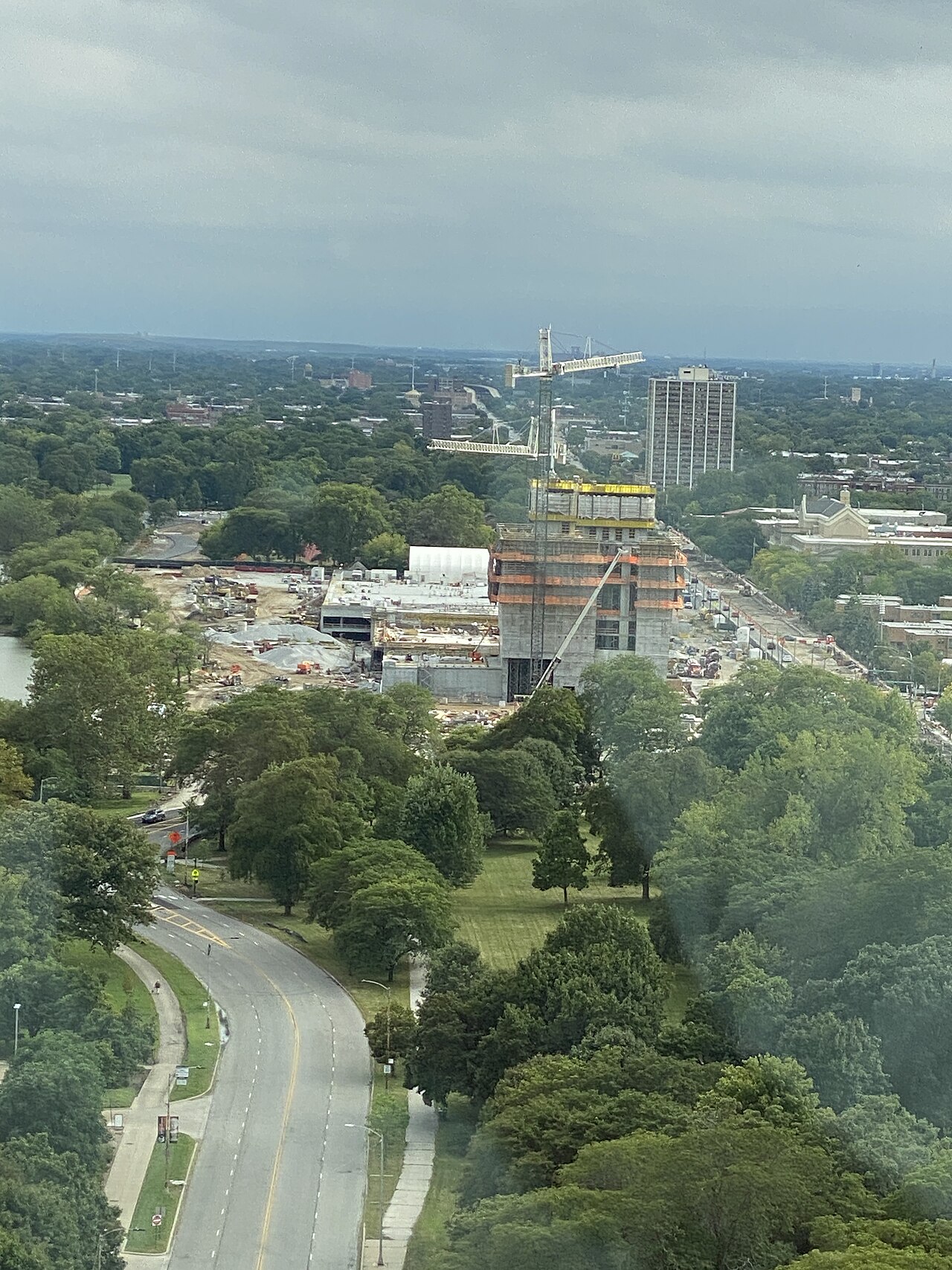
Obama Presidential Center
The new presidential center in Jackson Park, opened June 19, 2026, with a ticketed museum and a free campus of restaurants, playgrounds and a library branch.
Chicago History Museum
The city explained in one building — the Great Chicago Fire told with the relics, the 1893 World's Fair, the L car you walk through, Lincoln's deathbed, jazz-age and machine-politics galleries, at Lincoln Park's southern gate.
Frank Lloyd Wright Robie House
The Prairie masterpiece — Wright's 1910 Hyde Park statement of hovering rooflines, 174 art-glass windows, and the great hearth-split living floor, called the cornerstone of modern architecture and toured on the University of Chicago's doorstep.